
The Hidden Cost of Double Entry in Dental Practices
Harry Levy
Double entry between your PMS and payment system wastes time and causes errors. Learn the hidden cost and how to fix it.
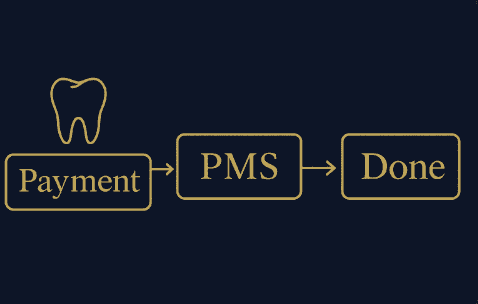
Administrative inefficiency does not just frustrate teams. It eats away at profitability. One of the biggest culprits in dental offices is double entry. Recording a payment in your processor, then again in your practice management system, wastes time and introduces risk.
Each extra step is an opportunity for error: transposed digits, missed entries, incorrect allocations. Multiply that by dozens of transactions per day, and reconciliation becomes a time-consuming headache.
The impact of manual entry:
Staff spend hours each week on redundant tasks.
Financial data lags behind reality.
Reporting becomes unreliable, affecting decision-making.
The solution is integration. Payment systems with write-back functionality sync transactions directly to your PMS, closing the loop instantly. Quanta Pay does this automatically, eliminating the need for manual reconciliation. The result is real-time accuracy, less administrative drag, and happier teams.
For practices competing in a fast-paced environment, efficiency is not optional. Write-back is not just a convenience. It is a safeguard for financial health.
Learn more about Quanta Pay

Dental patient no-shows and late payments: The hidden cost to your dental practice
Learn how dental patient no-shows and late payments affect practice revenue and discover practical ways to reduce both and support cash flow.

Are payment reminder texts annoying dental patients? The truth behind the myth
Think text payment reminders annoy dental patients? Learn how thoughtful, timely payment texts can improve collections and the patient experience.

5 signs your dental practice should offer patient payment plans